Buy nachtzug.eu ?
We are moving the project
nachtzug.eu .
Are you interested in purchasing the domain
nachtzug.eu ?
domain@kv-gmbh.de · 0541-91531010
Buy nachtzug.eu ?
How do you form "venir de faire" and "être en train de faire"?
"Venir de faire" is formed by conjugating the verb "venir" in the present tense followed by the preposition "de" and the infinitive of the verb you want to express has just been done. For example, "Je viens de manger" means "I have just eaten." "Être en train de faire" is formed by conjugating the verb "être" in the present tense followed by the preposition "en train de" and the infinitive of the verb you want to express is currently being done. For example, "Je suis en train de manger" means "I am currently eating." **
What is the correct grammatical form of "laisser qn faire qc" and "faire qn faire qc"?
The correct grammatical form of "laisser qn faire qc" is to let someone do something. This construction uses the verb "laisser" (to let) followed by a person (qn) and an action (qc). On the other hand, the correct grammatical form of "faire qn faire qc" is to make someone do something. This construction uses the verb "faire" (to make) followed by a person (qn) and an action (qc) that they are being made to do. **


Similar search terms for Savoir-Faire-Outdoor-Art
Top-Angebote
Products related to Savoir-Faire-Outdoor-Art:
-
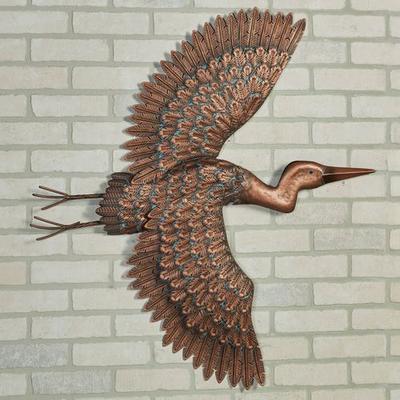
Touch of Class Heron Journey Wall Art Blue , BlueThe majestic Heron Journey involves soaring high above the ocean. Made of metal with a handpainted blue finish, this wall art depicts a heron with intricate feather detailing. Indoor or covered outdoor use. Measures 35 Wx2 Dx36 H. This item is our...129,00 $*Shipping: 20,95 $Secure redirect to the provider
-
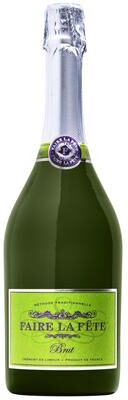
"""Faire La Fete""" """Faire La Fete Brut Champagne - France""""""A blend of Chardonnay, Chenin Blanc and Pinot Noir, Faire La Fête Brut is made in the méthode traditionnelle and aged on the lees for 15 months before release. It is a light golden in color with vibrant aromas and flavors of baked apple, white..."24,97 $*Shipping: 0,00 $Secure redirect to the provider
-
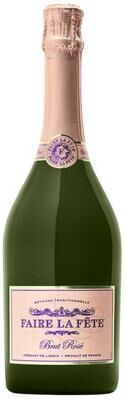
"""Faire La Fete""" """Faire La Fete Brut Rose Champagne - France""""""Faire La Fête Brut Rosé is from Limoux, France. A blend of Chardonnay, Chenin Blanc and Pinot Noir, the wine is made in the traditional way, méthode traditionnelle, and aged on the lees for 15+ months before release. It is coral in color with..."25,97 $*Shipping: 0,00 $Secure redirect to the provider
-
Touch of Class Butterfly Journey II Wall Art Green , GreenA sweet and whimsical ride, the Butterfly Journey II Wall Art takes your decor to a beautiful place. Hand-dyed with an alcohol ink process, the metal wall art features an openwork golden swirl adorned with light green, dark green, and golden yellow...75,99 $*Shipping: 15,95 $Secure redirect to the provider


-
What does "laisser faire" mean?
"Laisser faire" is a French term that translates to "let do" or "let it be." It is often used in the context of economics and politics to refer to a policy of minimal government intervention in the economy. This approach advocates for free markets, limited regulation, and non-interference by the government in economic activities. The idea is that the economy will function most efficiently when left to its own devices, without excessive government control. **
-
What is the correct grammatical formulation in French for "venir de faire qc" and "être en train de faire qc"?
The correct grammatical formulation in French for "venir de faire qc" is to use the verb "venir" in the present tense followed by the preposition "de" and then the infinitive form of the verb. For example, "Je viens de manger" (I have just eaten). The correct grammatical formulation in French for "être en train de faire qc" is to use the verb "être" in the present tense followed by the preposition "en train de" and then the infinitive form of the verb. For example, "Je suis en train de manger" (I am in the process of eating). **
-
What is the difference between savoir and connaitre?
In French, "savoir" and "connaitre" both mean "to know," but they are used in different contexts. "Savoir" is used to express knowledge of facts, information, or how to do something. For example, "Je sais parler français" (I know how to speak French). On the other hand, "connaitre" is used to express familiarity or acquaintance with a person, place, or thing. For example, "Je connais cette ville" (I am familiar with this city). Therefore, "savoir" is used for knowing facts or how to do something, while "connaitre" is used for being familiar with people, places, or things. **
-
What is the policy of laissez-faire?
Laissez-faire is an economic policy that advocates for minimal government intervention in the economy. It promotes the idea that markets should be allowed to operate freely without government interference, believing that this will lead to the most efficient allocation of resources and optimal economic outcomes. Laissez-faire policies typically involve limited regulations, low taxes, and free trade. This approach is often associated with classical liberal economic theory and is based on the belief that individuals and businesses acting in their own self-interest will ultimately benefit society as a whole. **
How is "attendre" conjugated differently from "faire"?
The verb "attendre" is conjugated differently from "faire" because they belong to different verb groups in French. "Attendre" is a regular -re verb, so it follows a different conjugation pattern than "faire," which is an irregular verb. For example, in the present tense, "attendre" is conjugated as j'attends, tu attends, il/elle/on attend, nous attendons, vous attendez, ils/elles attendent, while "faire" is conjugated as je fais, tu fais, il/elle/on fait, nous faisons, vous faites, ils/elles font. **
How is "attendre" conjugated differently than "faire"?
The verb "attendre" is conjugated differently than "faire" because they belong to different verb groups. "Attendre" is a regular -re verb, so its conjugation follows the pattern of other -re verbs like "vendre" or "rendre." On the other hand, "faire" is an irregular verb, so its conjugation does not follow a specific pattern and must be memorized. Additionally, "attendre" and "faire" have different endings and stem changes in their conjugations, further distinguishing their conjugation patterns. **
Top-Angebote
Products related to Savoir-Faire-Outdoor-Art:
-
Savoir Faire Outdoor Art by West of the Wind in MultiAll weather outdoor canvas art. Transport yourself into nature with this stunning and vivid outdoor art piece. This unique and inspired artwork features bright, beautiful colors and is printed on canvas using giclee printing technology. Each piece...239,99 $*Shipping: 29,78 $Secure redirect to the provider
-
Sagebrook Home "Ceramic Bowls Savoir Style Ribbed Modern (Set of 2) - 2/3"" White - 20"" x 6"" x 3"""Upgrade your space with this elegant set of 2 white ceramic bowls designed to enhance any room with sophisticated savoir-inspired style and functional charm.68,49 $*Shipping: 0,00 $Secure redirect to the provider
-
Touch of Class Heron Journey Wall Art Blue , BlueThe majestic Heron Journey involves soaring high above the ocean. Made of metal with a handpainted blue finish, this wall art depicts a heron with intricate feather detailing. Indoor or covered outdoor use. Measures 35 Wx2 Dx36 H. This item is our...129,00 $*Shipping: 20,95 $Secure redirect to the provider
-
"""Faire La Fete""" """Faire La Fete Brut Champagne - France""""""A blend of Chardonnay, Chenin Blanc and Pinot Noir, Faire La Fête Brut is made in the méthode traditionnelle and aged on the lees for 15 months before release. It is a light golden in color with vibrant aromas and flavors of baked apple, white..."24,97 $*Shipping: 0,00 $Secure redirect to the provider
-
How do you form "venir de faire" and "être en train de faire"?
"Venir de faire" is formed by conjugating the verb "venir" in the present tense followed by the preposition "de" and the infinitive of the verb you want to express has just been done. For example, "Je viens de manger" means "I have just eaten." "Être en train de faire" is formed by conjugating the verb "être" in the present tense followed by the preposition "en train de" and the infinitive of the verb you want to express is currently being done. For example, "Je suis en train de manger" means "I am currently eating." **
-
What is the correct grammatical form of "laisser qn faire qc" and "faire qn faire qc"?
The correct grammatical form of "laisser qn faire qc" is to let someone do something. This construction uses the verb "laisser" (to let) followed by a person (qn) and an action (qc). On the other hand, the correct grammatical form of "faire qn faire qc" is to make someone do something. This construction uses the verb "faire" (to make) followed by a person (qn) and an action (qc) that they are being made to do. **
-
What does "laisser faire" mean?
"Laisser faire" is a French term that translates to "let do" or "let it be." It is often used in the context of economics and politics to refer to a policy of minimal government intervention in the economy. This approach advocates for free markets, limited regulation, and non-interference by the government in economic activities. The idea is that the economy will function most efficiently when left to its own devices, without excessive government control. **
-
What is the correct grammatical formulation in French for "venir de faire qc" and "être en train de faire qc"?
The correct grammatical formulation in French for "venir de faire qc" is to use the verb "venir" in the present tense followed by the preposition "de" and then the infinitive form of the verb. For example, "Je viens de manger" (I have just eaten). The correct grammatical formulation in French for "être en train de faire qc" is to use the verb "être" in the present tense followed by the preposition "en train de" and then the infinitive form of the verb. For example, "Je suis en train de manger" (I am in the process of eating). **
Similar search terms for Savoir-Faire-Outdoor-Art
-
"""Faire La Fete""" """Faire La Fete Brut Rose Champagne - France""""""Faire La Fête Brut Rosé is from Limoux, France. A blend of Chardonnay, Chenin Blanc and Pinot Noir, the wine is made in the traditional way, méthode traditionnelle, and aged on the lees for 15+ months before release. It is coral in color with..."25,97 $*Shipping: 0,00 $Secure redirect to the provider
-
Touch of Class Butterfly Journey II Wall Art Green , GreenA sweet and whimsical ride, the Butterfly Journey II Wall Art takes your decor to a beautiful place. Hand-dyed with an alcohol ink process, the metal wall art features an openwork golden swirl adorned with light green, dark green, and golden yellow...75,99 $*Shipping: 15,95 $Secure redirect to the provider
-
Touch of Class Heron Journey Wall Art Aged Bronze , Aged BronzeThe majestic Heron Journey involves soaring high above the ocean. Made of metal with a handpainted aged bronze finish, this wall art depicts a heron with intricate feather detailing. Indoor or covered outdoor use. Measures 35 Wx2 Dx36 H. This item...129,00 $*Shipping: 20,95 $Secure redirect to the provider
-
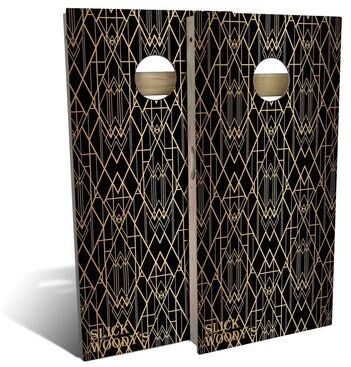
Skip's Garage Art Deco Outdoor Cornhole Board SetIncludes: (2) Cornhole Boards & (8) Bags. Easily Choose Your Board Size & Type. Bags Will Complement The Board Colors. Easily Message Us Bag Color Requests. Add Accessories like Carry Cases, Hole Lights or Edge Lights.279,49 $*Shipping: 0,00 $Secure redirect to the provider
-
What is the difference between savoir and connaitre?
In French, "savoir" and "connaitre" both mean "to know," but they are used in different contexts. "Savoir" is used to express knowledge of facts, information, or how to do something. For example, "Je sais parler français" (I know how to speak French). On the other hand, "connaitre" is used to express familiarity or acquaintance with a person, place, or thing. For example, "Je connais cette ville" (I am familiar with this city). Therefore, "savoir" is used for knowing facts or how to do something, while "connaitre" is used for being familiar with people, places, or things. **
-
What is the policy of laissez-faire?
Laissez-faire is an economic policy that advocates for minimal government intervention in the economy. It promotes the idea that markets should be allowed to operate freely without government interference, believing that this will lead to the most efficient allocation of resources and optimal economic outcomes. Laissez-faire policies typically involve limited regulations, low taxes, and free trade. This approach is often associated with classical liberal economic theory and is based on the belief that individuals and businesses acting in their own self-interest will ultimately benefit society as a whole. **
-
How is "attendre" conjugated differently from "faire"?
The verb "attendre" is conjugated differently from "faire" because they belong to different verb groups in French. "Attendre" is a regular -re verb, so it follows a different conjugation pattern than "faire," which is an irregular verb. For example, in the present tense, "attendre" is conjugated as j'attends, tu attends, il/elle/on attend, nous attendons, vous attendez, ils/elles attendent, while "faire" is conjugated as je fais, tu fais, il/elle/on fait, nous faisons, vous faites, ils/elles font. **
-
How is "attendre" conjugated differently than "faire"?
The verb "attendre" is conjugated differently than "faire" because they belong to different verb groups. "Attendre" is a regular -re verb, so its conjugation follows the pattern of other -re verbs like "vendre" or "rendre." On the other hand, "faire" is an irregular verb, so its conjugation does not follow a specific pattern and must be memorized. Additionally, "attendre" and "faire" have different endings and stem changes in their conjugations, further distinguishing their conjugation patterns. **
* All prices are inclusive of VAT and, if applicable, plus shipping costs. The offer information is based on the details provided by the respective shop and is updated through automated processes. Real-time updates do not occur, so deviations can occur in individual cases. ** Note: Parts of this content were created by AI.